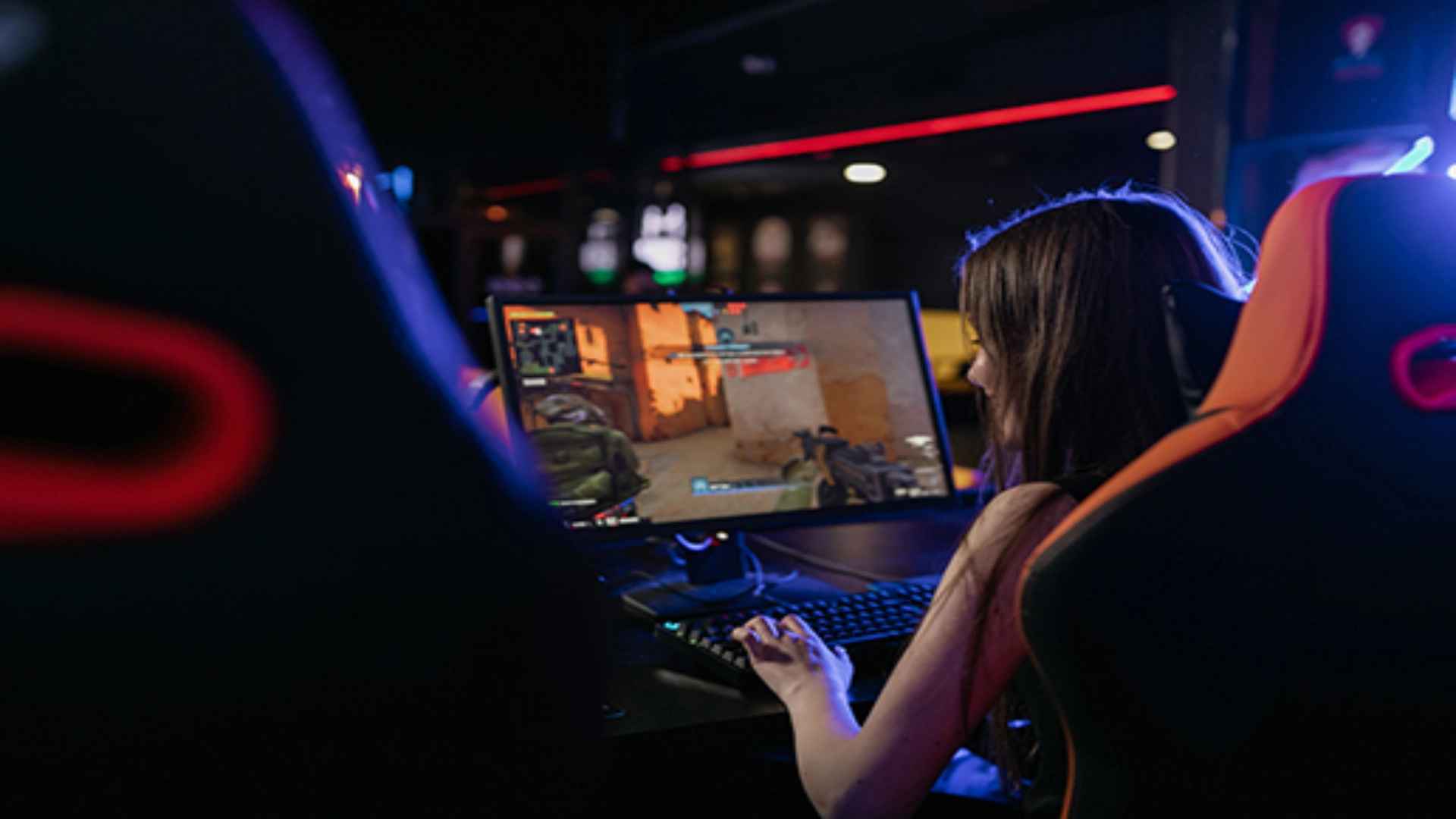
Executing complex skill combinations during high-stakes competitive matches requires far more than basic muscle memory. Under the intense stress of a fast-paced team fight, players often panic and misstep their mechanical sequences. Developing calm execution habits allows players to optimize their damage output and secure crucial eliminations when every second counts.
Understanding the Importance of Muscle Memory
Building reliable muscle memory is the foundation of executing fluid skill combinations without hesitating. Practice mode allows players to repeat rotation patterns until the muscle inputs become second nature. This automatic response reduces mental effort during chaotic skirmishes in real matches.
When players rely on automated execution, they free up mental focus to process global map changes. This cognitive space helps players dodge incoming skill shots while simultaneously landing their own abilities. Consistent training eventually bridges the gap between basic mechanics and high-level playmaking.
Managing Stress and Avoiding Panic Inputs
High-pressure engagements often trigger rushed button presses, leading to cancelled animations and missed abilities. Staying relaxed during sudden ambushes prevents players from buffering skills in the wrong order. Consciously maintaining steady composure ensures every ability hits its intended target accurately.
Focusing on visual cues rather than mashing buttons allows for cleaner skill buffering during skirmishes. Taking a brief fraction of a second to confirm enemy positioning dramatically increases combination accuracy. Calm players consistently outperform those who react purely out of panic.
Adapting Sequences to Situational Matchups
Rigid combo execution can lead to predictable patterns that experienced opponents easily punish. Player positioning and defensive battle spells often require dynamic adjustments to your standard skill order. Knowing when to hold a crowd control ability for an enemy escape move separates good players from elite competitors.
Target selection also dictates how a player should structure their skill sequence in team fights. Squishy backline carries require immediate burst damage, whereas frontline tanks require prolonged control sequences. Flexibly altering skill paths ensures maximum value in every unique clash.
Refining Timing Through Replay Analysis
Reviewing match replays provides clear feedback on timing errors and mechanical missteps during key engagements. Identifying specific moments where input delay occurred helps players target exact areas for improvement. Self-assessment builds awareness of recurring mistakes under competitive pressure.
Over time, dedicated replay evaluation reinforces proper decision-making in high-stress scenarios. Players who systematically break down their performance develop a deeper understanding of tactical spacing. Continuous practice and self-reflection ensure flawless execution when matches are on the line.