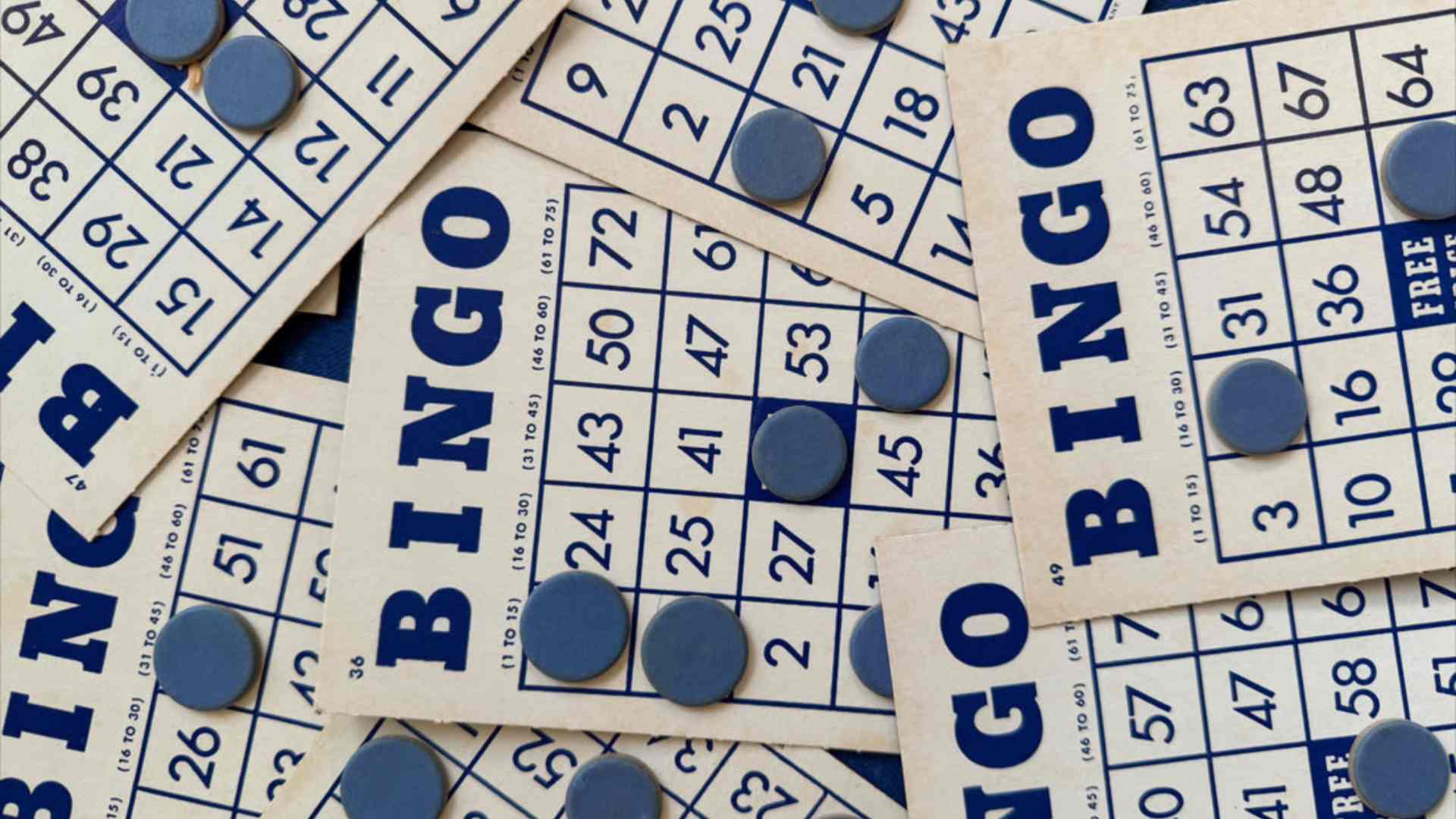
The intersection of mathematics and entertainment has given rise to an enduring category of puzzles that captivate thinkers worldwide. Unlike traditional pastimes that rely heavily on chance or quick reflexes, number games demand a deliberate and strategic approach. By engaging with these structured challenges, players discover that success is a direct result of methodical evaluation rather than random guessing.
The Core Mechanics of Rational Gameplay
Number puzzles operate on fixed, predictable sets of rules that allow for deliberate strategy. Players must analyze the relationships between available figures to determine the next logical placement or mathematical operation. This analytical process removes ambiguity, transforming every move into a calculated step toward a solution.
By prioritizing deduction over intuition, these activities train the human brain to evaluate complex variables systematically. This framework ensures that every correct answer can be traced back to a specific, justifiable choice. Consequently, enthusiasts find a unique form of satisfaction in mastering systems where clarity always triumphs over chaos.
Cultivating Problem Solving Habits through Play
Engaging regularly with quantitative challenges fosters cognitive habits that extend far beyond the virtual grid. Players naturally learn to break down overwhelming problems into smaller, more manageable components. This structured decomposition makes it significantly easier to isolate errors and adjust tactics moving forward.
Furthermore, these puzzles encourage individuals to formulate conditional hypotheses, testing multiple outcomes before finalizing a move. Developing this mental agility directly improves personal resilience when dealing with complex tasks in professional or academic environments. Over time, the patience developed during gameplay translates into improved focus and higher quality decision-making.
The Digital Transition of Quantitative Puzzles
Modern technology has expanded the accessibility of numerical logic puzzles, introducing dynamic features that traditional print formats could not support. Online platforms now offer adaptive difficulty levels, instant feedback mechanisms, and global leaderboards to enhance player engagement. Finding a reliable platform like m88 link 2 allows individuals to explore various analytical challenges designed to keep the mind sharp. This digital evolution ensures that classic logic puzzles remain deeply relevant to contemporary audiences.
In addition to convenience, digital implementations frequently provide detailed statistics tracking historical performance. Analyzing these data points helps users identify specific cognitive bottlenecks or areas where their logical reasoning requires further refinement. This interactive loop transforms casual entertainment into a personalized tool for continuous mental conditioning.
Long Term Cognitive Resilience and Brain Health
Medical research suggests that keeping the mind active through structured problem solving plays a vital role in maintaining cognitive longevity. Regularly challenging the brain with complex numerical matrices stimulates neural plasticity and strengthens executive functioning. These activities serve as an excellent exercise regimen for preserving mental clarity across all age groups.
Beyond structural benefits, the focused immersion required by logic puzzles provides a constructive outlet for daily stress reduction. By anchoring attention to a clear, solvable problem, players experience a calming sense of order and predictability. The combination of mental stimulation and intellectual accomplishment makes number games a valuable addition to a balanced lifestyle.